What are Fat Burning Peptides?
Fat loss peptides are research compounds that are investigated for their potential impact on body composition, metabolism, appetite, blood sugar control or energy expenditure. Rather than being simple stimulant fat burners, many of these peptides work through deeper physiological pathways – such as GLP-1 signaling, growth hormone (GH) and IGF-1 activity or lipolysis and fat oxidation.
Common research themes include:
- Modulating appetite and cravings via gut–brain signaling pathways
- Supporting healthier glucose management and insulin response
- Influencing growth hormone and related metabolic markers
- Exploring changes in fat mass, lean mass and body composition over time
All of these compounds are sold strictly for research, laboratory, and analytical purposes – they are not approved as over-the-counter weight-loss medications or lifestyle products.
Fat Burners Peptides For Sale
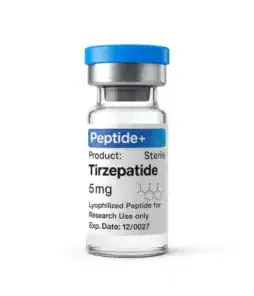
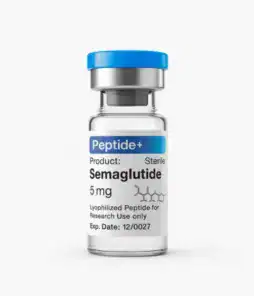
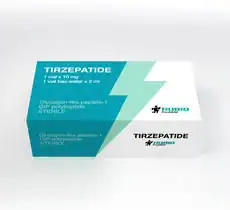
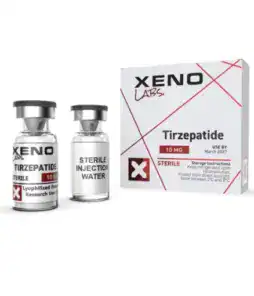
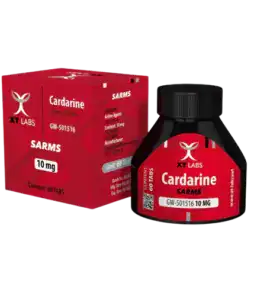
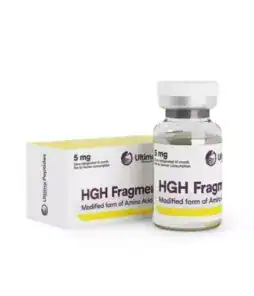
On this category page you will find a wide selection of fat loss–oriented peptides and related research compounds, ranging from GLP-1 analogs and GIP/GLP-1 dual agonists to growth-hormone–linked peptides and lipolytic fragments. Each product listing clearly states the compound name, strength, and presentation (vial, lyophilized powder or capsules), allowing researchers to choose the format that best fits their experimental design.
Key advantages of shopping fat burner peptides here include:
- Research-grade materials only – suitable for laboratory and analytical environments
- Clear labeling of compound name and strength for easier documentation
- Secure checkout and privacy-focused order handling
- Worldwide shipping with discreet packaging and tracking
These products are not sold as diet pills or casual supplements; they are intended for responsible research use only.
Which Peptides are Best For Fat Loss?
There is no single best peptide for fat loss, because different compounds target different aspects of metabolism. Some peptides are researched for their impact on appetite and satiety, others on blood sugar regulation, and others on GH-related body composition changes. When researchers talk about best, they are usually referring to the compound that most closely matches the specific outcome they want to study.
Examples of popular fat loss peptide categories include:
- GLP-1 analogs – studied for appetite control and improved glycemic management
- GIP/GLP-1 dual agonists – investigated for combined effects on weight, glucose and metabolic markers
- GH-related peptides – such as GHRP and GHRH analogs, often explored for their impact on body composition and recovery
- Lipolytic fragments – peptides specifically designed to target fat metabolism and fat oxidation in research models
The best option depends on whether the research focus is appetite, blood sugar, body composition, energy expenditure or a combination of these.
What are The Best Peptides To Combine For Fat Loss?
In many research settings, peptides are not evaluated in isolation. Instead, combinations of compounds are studied to understand how different pathways interact – for example, pairing an appetite-focused peptide with one that influences growth hormone or recovery. The table below outlines several example combinations and how they are typically positioned in research discussions. These are not usage instructions, but rather an overview of how different peptide types are often grouped in the scientific and performance literature.
| Peptide Combination | Primary Research Focus | Notes for Research Context |
|---|
| GLP-1 analog + GIP/GLP-1 dual agonist | Appetite control, weight management, glucose balance | Often studied for enhanced effects on cravings, portion size and cardiometabolic markers compared to single-pathway agents. |
| GH secretagogue (e.g. GHRP) + GHRH analog (e.g. CJC-type peptide) | Growth hormone signalling & body composition | Used in research exploring the combined impact of GH release and downstream changes in lean mass, recovery and fat mass. |
| Lipolytic fragment (e.g. AOD-type peptide) + GH-related peptide | Fat metabolism & body recomposition | Investigated in models where both direct fat-loss pathways and GH-linked recovery or performance are of interest. |
| Appetite-focused peptide + insulin-sensitizing agent | Craving control & blood sugar management | Studied in scenarios where both energy intake and glucose handling are important variables. |
| Repair peptide (e.g. tissue-support peptide) + fat loss peptide | Recovery, joint/tissue support & body composition | Used in research designs where supporting soft-tissue health is as important as weight or fat-mass outcomes. |
Any combination of peptides should be evaluated cautiously in a research setting. These compounds are not approved for self-prescribed fat loss and must not be used as a replacement for medical care, lifestyle change or professional treatment.
How Do Fat Loss Peptides Work?
Fat loss peptides can work through several different mechanisms, depending on the compound:
- Appetite and satiety: Some peptides interact with receptors in the gut and brain that help regulate hunger, fullness, and food cravings.
- Glucose and insulin response: Certain peptides are researched for their ability to support healthier blood sugar patterns and insulin sensitivity, which indirectly affects fat gain and fat loss.
- Growth hormone pathways: GH- and GHRH-related peptides are often studied for their role in body composition, recovery, and tissue health, which can influence how the body partitions calories between fat and lean tissue.
- Lipolysis and fat oxidation: Some peptides are designed to directly influence fat breakdown and energy usage in research models.
It is important to remember that all of these effects are explored in controlled research environments. These compounds are not simple magic fat burners and they are not a substitute for diet, activity, or professional medical guidance.
Fat Burners Peptides for Women and Men
Fat loss peptides are researched in both male and female populations, and the core mechanisms – appetite regulation, glucose management, hormonal pathways, and fat metabolism – are relevant to all adults. However, individual responses can vary based on age, baseline health, hormone status, lifestyle and many other factors.
Because of this, fat burner peptides should never be viewed as one-size-fits-all solutions. In any real-world medical context, decisions about weight management, metabolic health or hormone-related interventions belong with qualified healthcare professionals, not self-directed experimentation. The products listed here are supplied for research purposes only and are not marketed as weight-loss treatments for women or men.
Are Fat Loss Peptides Safe?
Like any powerful research compound, fat loss peptides carry potential risks as well as potential benefits. Safety depends on the specific molecule, dose, duration, route of administration, and the health status of the subject being studied. This is why these compounds are restricted to research use and why long-term data in many cases is still evolving.
They are not intended to replace evidence-based medical care, lifestyle change or clinically approved weight-management therapies. Anyone considering treatment for obesity, metabolic syndrome or related conditions should speak directly with a licensed healthcare provider.
Research-Only & Legal Disclaimer
All fat loss peptides and related compounds listed in this category are sold strictly for laboratory, research and analytical purposes. They are not approved for human or veterinary use, diagnosis, treatment, or prevention of any disease. Nothing on this page is medical advice or a recommendation to use these products for personal fat loss or body transformation.