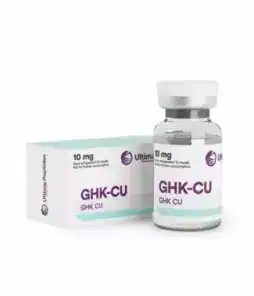
Buy GHK‑CU Peptides Online
GHK‑CU has earned a strong reputation for multi-layered biological activity and wide relevance in longevity, skin repair and wound‑healing studies. Peptidesline offers premium‑grade GHK‑CU vials from trusted manufacturers, aimed at users who want high‑purity peptides with clear specs and reliable sourcing.
Why customers prefer Peptidesline:
- Verified and reputable suppliers
- Clear product specifications
- Consistent inventory availability
- Fast USA shipping
- Secure and encrypted payment options
- Discreet, confidential packaging
- Responsive support for product selection questions
What Is GHK‑CU?
GHK‑CU (Glycyl‑L‑Histidyl‑L‑Lysine‑Copper) is a naturally occurring copper‑binding tripeptide present in human plasma, saliva and urine. It is involved in tissue repair, inflammation regulation, collagen production and cellular renewal. As natural levels decline with age, GHK‑CU has become central in longevity science, dermatological research and regenerative biology. Because it engages gene expression, wound healing and extracellular matrix formation, it appears often in laboratory studies on anti‑aging, cosmetic regeneration and performance recovery.
Benefits Associated with GHK‑CU
- Supports collagen and elastin production
- Promotes skin rejuvenation
- Reduces visible signs of aging
- Enhances wound healing
- Supports hair growth and follicle health
- Reduces inflammation
- Strengthens the skin barrier
- Offers antioxidant activity
Detailed Benefit Breakdown
Skin rejuvenation & anti‑aging: Frequently researched for stimulating fibroblasts, boosting collagen synthesis, and improving skin elasticity. Studies suggest improvements in firmness, texture and clarity.
Wrinkle reduction: By promoting extracellular matrix proteins, GHK‑CU can influence reduction in fine lines and wrinkle appearance—making it valuable in cosmetic‑science research.
Anti‑inflammatory support: Exhibits activity in modulating inflammatory pathways, contributing to faster wound healing and improved tissue resilience.
Hair growth & follicle support: Studied for increasing follicle size, improving hair shaft thickness, and potentially restoring activity in dormant follicles.
Wound healing & tissue repair: Linked to cellular migration, angiogenesis, and collagen organization, often examined in injury‑repair and post‑procedure models.
Types of GHK‑CU & Choosing the Right Format
Peptidesline typically offers GHK‑CU in two standard vial sizes. Below is a quick overview to help decide what may align with your study or interest area.
| Vial Size | Common Use Case | Notes |
|---|
| GHK‑CU 5mg | Short‑term cosmetic or regenerative studies | Good for shorter observation windows or targeted, limited protocols. |
| GHK‑CU 10mg | Longer observation or repeated testing | Preferred when extended use or multiple test points are required. |
Format selection depends on study duration, required concentration, frequency of application and whether GHK‑CU is used alone or combined with other peptides. Support is available to clarify choices.
How Does GHK‑CU Work?
GHK‑CU influences several core biological pathways:
- Copper ion transport: Copper is essential for collagen synthesis, tissue repair, and antioxidant defense. GHK delivers copper to cells, activating regeneration pathways.
- Gene expression modulation: Research suggests interaction with many genes linked to inflammation, healing and anti‑aging processes.
- Collagen & elastin production: Supports fibroblast activity, contributing to elasticity and firmness in skin research.
- Antioxidant & protective effects: Neutralizes free radicals and reduces oxidative damage, supporting long‑term cellular health.
Potential Side Effects
Although generally well‑tolerated in laboratory studies, observed reactions can include:
- Mild redness
- Temporary skin sensitivity
- Light headache
- Slight digestive discomfort
- Minimal local irritation depending on handling model
Why Is GHK‑CU Valuable in Research?
Researchers value GHK‑CU for support across:
- Anti‑aging pathways
- Skin regeneration
- Hair growth and follicle vitality
- Wound healing
- Anti‑inflammatory response
- Barrier repair
- Tissue rejuvenation
- Oxidative stress reduction
Its broad biological influence makes it one of the most versatile peptides in cosmetic science and longevity research.
Where Can I Buy GHK‑CU in the USA?
Peptidesline provides:
- Fast USA shipping
- Discreet international delivery
- Verified peptide suppliers
- Secure checkout
- Clear and detailed product descriptions
- Reliable and consistent inventory
Users in the United States can easily purchase GHK‑CU online without complicated procedures.
GHK‑CU Comparison With Other Popular Peptides
This table highlights how GHK‑CU compares to other regeneration and longevity‑focused peptides, clarifies synergy potential and whether these compounds are commonly explored together in research environments.
| Peptide | Main Focus | Common Benefits | Can It Be Combined With GHK‑CU? | Notes |
|---|
| GHK‑CU | Skin, hair & tissue regeneration | Collagen production, wrinkle reduction, wound healing, anti‑inflammatory support | Base compound | Often used as a primary peptide in cosmetic, longevity, and regeneration research. |
| Epithalon | Longevity, anti‑aging, telomerase activation | Improved sleep cycles, oxidative defense, DNA repair, mitochondrial support | YES — widely combined | Targets different pathways: skin/collagen vs longevity markers—common anti‑aging combo. |
| TB‑500 | Muscle repair & mobility | Tissue healing, angiogenesis, reduced inflammation, improved recovery | YES — often stacked | Supports full‑spectrum regeneration: skin/barrier + muscle/tendon recovery. |
| CJC‑1295 / Ipamorelin | GH pathway stimulation | Recovery, fat metabolism, cell repair enhancement | POSSIBLE | May complement GHK‑CU’s regeneration profile, though not a standard cosmetic stack. |
| Copper Serums (Cosmetic) | Topical beauty formulations | Skin texture improvement, surface hydration | NO — different category | Cosmetic serums contain diluted copper complexes, not pure research‑grade GHK‑CU peptide. |
Note: Combination references are for academic and laboratory discussion only. These peptides are not approved for cosmetic, medical or human use and should be handled strictly in controlled research environments.