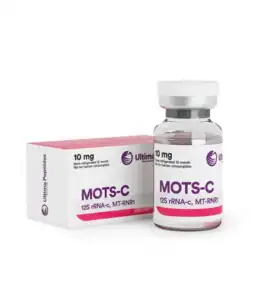
Mots-C
MOTS-c stands out as a revolutionary compound that is fundamentally shifting how scientists understand energy production and weight management. Unlike traditional hormones that act on surface receptors, MOTS-c originates directly from the mitochondrial DNA, the powerhouse of the cell. It acts as a potent signaling molecule that mimics the physiological effects of aerobic exercise, even in the absence of physical activity. This has earned it the nickname exercise in a bottle within the scientific community. For researchers investigating metabolic flexibility, insulin resistance and cellular longevity, the integrity of the peptide is paramount.
Showing all 4 results
Filter-

Mots-c
10 Mg $42,00 Add to cart -
MOTS C
10 Mg $69,00 Add to cart -
Mots-C
5mg $55,00 Add to cart -
Mots-C
12mg $92,00 Add to cart



Frequently Asked Questions
MOTS-c is a mitochondrial-derived peptide that regulates glucose metabolism and energy homeostasis. It functions as a metabolic regulator by activating the AMPK pathway, mimicking the effects of exercise.
MOTS-c acts as a systemic metabolic signaling regulator, whereas SS-31 focuses on stabilizing mitochondrial membranes and reducing oxidative stress at the cellular level.
MOTS-c is used to study metabolic disorders, obesity, insulin resistance and longevity, specifically focusing on its ability to enhance fatty acid oxidation and glucose uptake.
Yes, all MOTS-c batches are tested via HPLC and Mass Spectrometry to ensure a purity standard of 99% or higher for consistent research outcomes.
Lyophilized powder should be stored at -20°C. Once reconstituted, it must be kept refrigerated at 2°C to 8°C and utilized within 21 days.
It activates the AMPK pathway, typically triggered by physical exertion. MOTS-c signals the body to burn fat and take up glucose into muscles chemically, simulating a workout state.
Research shows MOTS-c can prevent obesity and reduce visceral fat even on a high-fat diet without exercise, but it is most effective when amplifying an active lifestyle.
While some prefer intramuscular, subcutaneous administration is the most common and accepted method for metabolic studies due to consistent absorption.
Yes, it is often stacked with SS-31. MOTS-c focuses on metabolic regulation, while SS-31 focuses on repairing mitochondrial damage, offering a complementary effect.