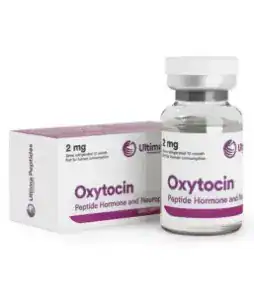
At Peptidesline, athletes gain access to a broad selection of peptide injections sourced from verified manufacturers, fast and secure worldwide shipping options, and reliable payment methods designed for a seamless e-commerce experience. While the products listed on this website are strictly sold for laboratory, research and analytical use only, Peptidesline maintains transparency, consistency and quality control in every step of the purchasing process.
Peptides Growth Hormone – Order Now
Peptidesline offers one of the most diverse peptide selections in the bodybuilding space, including GHRP compounds, growth hormone secretagogues, metabolic peptides and recovery-focused options. The platform’s wide supplier network allows users to access multiple brands, vial formats, and potencies without stock interruptions.
The purchasing process is designed for convenience: secure checkout, multiple trusted payment methods, and discreet worldwide shipping ensure a smooth order experience. Although these peptides are intended only for non-human, research-based studies, many researchers explore their effects on muscle protein synthesis, recovery and metabolic enhancement—highlighting why high-purity compounds are essential.
What Are Growth Hormone Peptides?
Growth hormone peptides are short-chain amino acid sequences that stimulate the body’s natural release of growth hormone (GH). They are commonly studied for their role in tissue repair, increased lean mass, fat metabolism and improved cellular regeneration. By acting on specific receptors, these peptides support anabolic pathways and enhance recovery in laboratory environments.
All products in this category are provided under strict non-medical terms and are not intended for human consumption, treatment or diagnosis.
Popular Types of Peptides & Their General Profiles
Below is a simple comparison table outlining the main categories of peptides users frequently explore. This chart helps customers understand what each peptide family is generally associated with. It is for comparison only and not a usage guide.
| Peptide Category | Examples | General Goal Focus | Common Positioning |
|---|
| Growth Hormone Peptides | CJC-1295, Ipamorelin, Sermorelin, GHRP-2 | Recovery, physique, performance | Popular for body recomposition and workout support routines. |
| Fat-Loss Peptides | AOD-9604, Tesamorelin, Semaglutide, Tirzepatide | Fat metabolism, appetite, energy balance | Chosen by users focused on modern, targeted body-shaping solutions. |
| Wellness & Cognitive Peptides | Selank, Semax | Focus, mood, cognitive clarity | Frequently discussed in wellness-oriented communities. |
| Skin & Repair Peptides | GHK-Cu, TB-500 | Appearance, recovery, tissue support | Often explored for aesthetics and regeneration-related interest. |
| Metabolic & Appetite Peptides | Cagrilintide, Retatrutide | Metabolism, fullness, appetite balance | New-generation peptides gaining rapid popularity. |
What Are the Benefits of Peptide Injections?
Peptide injections are widely researched for their potential to enhance overall physical performance. They may influence metabolic efficiency, support recovery, and help maintain lean muscle during periods of caloric stress.
Key Potential Benefits
- Faster Muscle Recovery – Supports tissue repair after intense training.
- Enhanced Fat Metabolism – Improves metabolic rate and promotes a leaner physique.
- Better Sleep & Recovery Signals – Some peptides influence circadian rhythm and restorative sleep.
- Improved Muscle Hardness & Fullness – May enhance nutrient partitioning effects.
- Joint & Tendon Support – Certain peptides target collagen synthesis and repair.
- Increased Performance Output – Optimized GH pathways can support strength and endurance.
Conclusion:
Researchers often highlight that selecting a reliable supplier is essential when evaluating results. Peptidesline provides secure ordering and consistent availability, making it easier for users to access the compounds necessary for their research. Proper dosing, cycling patterns and timing—depending on the study design—are critical for accurate outcomes.
Types of Peptides for Bodybuilding and Their Functions
The bodybuilding community frequently studies multiple categories of peptides, each offering different functional outcomes. Some focus on fat reduction, others on recovery, while many enhance growth hormone secretion.
Choosing the right peptide typically depends on specific goals: fat loss, mass gain, recomposition or recovery. Users who are uncertain about which products align with their research parameters can reach out to Peptidesline’s support team for general guidance regarding product availability and categories.
How Does Growth Hormone Peptides Work?
Growth hormone peptides work by stimulating specific receptors in the pituitary gland, encouraging the body to release natural growth hormone in controlled pulses. This increased GH activity supports muscle protein synthesis, enhances fat metabolism, and accelerates tissue repair—key factors often examined in bodybuilding and performance-focused research. Their effectiveness depends on dosage consistency, individual response, and study duration, making proper handling essential for reliable outcomes.
How Do Peptides Work for Weight Loss?
Many peptides interact with metabolic receptors that influence appetite, fat oxidation, and insulin sensitivity. They’re often examined for improving metabolic efficiency, assisting in body recomposition and supporting fat-loss models.
How Do Peptides Work on Skin & How Long Does It Take?
Skin-focused peptides may support collagen production, elasticity and hydration. Research suggests visible improvements depend on dosage frequency, formulation strength, and duration of study—typically requiring several weeks.
How Long Do Peptides Take to Work?
Most growth hormone peptides show measurable effects within 2–4 weeks in research settings, depending on the compound, dose and consistency. Some metabolic peptides respond even faster, whereas collagen-modulating peptides generally require longer.
What Are the Side Effects of Using Peptides?
Although peptides are widely researched and many are well tolerated in controlled studies, they may carry risks like any biologically active compound.
Possible Side Effects
- Water retention
- Temporary fatigue
- Fluctuations in appetite
- Joint stiffness
- Numbness or tingling sensations
- Mild injection-site irritation
Conclusion:
Side effects vary by compound, dose and individual sensitivity. Any adverse response should result in discontinuation of research use. These products are not intended for human consumption, and all testing should follow proper laboratory safety protocols.
Why Are Peptides Good for You?
Peptides attract interest among athletes seeking improvements in:
- Lean muscle gain
- Strength output
- Faster recovery
- Improved metabolism
- Better performance longevity
They are often studied in scenarios requiring enhanced tissue repair or metabolic support. Individuals evaluating performance-based goals frequently explore peptides to understand their potential role in optimizing training outcomes.
Where Can I Buy Peptides for Muscle Growth in the USA?
Peptidesline ships worldwide with discreet packaging, secure payment options and reliable order tracking. U.S.-based customers can purchase research-use peptides directly through the platform, ensuring easy ordering without complex procedures.
How Many Different Peptides Are There?
Peptidesline categorizes its products into many research-focused groups, including:
- BPC-157 – recovery and tissue repair
- Cagrilintide Acetate – metabolic research
- Epithalon – cellular longevity pathways
- GHK-CU – skin regeneration
- GHRP-2 / GHRP-6 – GH stimulation
- HCG – hormone regulation studies
- Hexarelin – potent GH secretagogue
- HMG – reproductive hormone modulation
- IGF-1 LR3 – muscle growth research
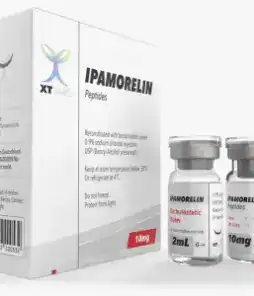
- Ipamorelin – mild GH release stimulation
- Mazdutide – weight-loss pathways
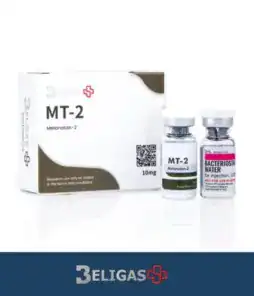
- Melanotan 2 – pigmentation research
- Retatrutide – metabolic effect studies
- Selank – nootropic and anxiolytic potential
- Semaglutide – glucose control and appetite modulation
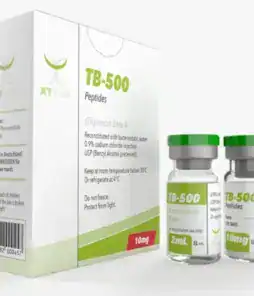
- TB-500 – repair and recovery models
- Tesamorelin – GH stimulation
- Tirzepatide – dual metabolic receptor modulation
Each serves a different research purpose within the peptide landscape.