
In the world of biochemistry and molecular biology, few topics are generating as much discussion right now as research peptides. From university laboratories to private biotech facilities, the demand for these specific amino acid chains has skyrocketed. But why is there so much buzz?
The interest comes primarily from researchers, laboratory professionals, and informed science enthusiasts who are investigating cellular processes and signaling pathways. For these individuals, peptides represent a key to unlocking new data about how biological systems function.
However, as the market grows, so does the confusion. Not all peptides are created equal. For a researcher, the difference between a high-quality peptide and a low-purity substitute can mean the difference between a breakthrough discovery and a failed experiment.
In this article, we will strip away the complexity. You will learn exactly what research peptides are, why they are classified this way, and most importantly, the specific criteria smart buyers use to evaluate their quality—from HPLC reports to proper storage methods.
What Are Research Peptides and Why Are They Used in Scientific Research?
Research peptides are synthetic compounds used primarily in scientific and laboratory research to study biological processes, cellular signaling, and molecular interactions. They are not approved for human use and are evaluated based on purity, consistency, and documentation rather than marketing claims.
What Is a Peptide?
At its simplest level, a peptide is a short chain of amino acids. Think of amino acids as the building blocks of life. When you link these blocks together, you get a chain.
If the chain is very long and complex, it is usually called a protein. If the chain is shorter—typically fewer than 50 amino acids—it is called a research peptide. Despite their small size, these chains are powerful. In biological systems, they often act as signaling molecules, telling cells what to do, such as repairing tissue or releasing hormones.
What Makes a Peptide a Research Peptide?
You will often see the label Research Only or Not for Human Consumption on these products. This is a critical distinction. A Research Peptide is a chemical compound manufactured specifically for laboratory experimentation.
They are synthesized to be used in in-vitro (test tube) studies or animal model research to understand mechanisms of action. They are not intended for use as medication, supplements or cosmetics. The regulatory framework surrounding these compounds is strict; they are sold as chemical reference materials. This classification ensures that they are used for scientific exploration rather than unregulated personal use. The quality of peptide compounds used in scientific studies can directly impact research accuracy, which is why evaluating peptide compounds used in scientific research matters.
How Are Research Peptides Used in Scientific and Laboratory Settings?
In scientific contexts, research peptides are used as tools to investigate receptor interactions, protein functions and experimental pathways under controlled laboratory conditions.
When a laboratory orders a vial of lyophilized (freeze-dried) powder, the goal is never human consumption; the goal is data. Research peptides serve as precise tools to investigate specific biological questions and unlock the mechanisms of the body.
Currently, scientific inquiry is concentrated on several high-interest fields:
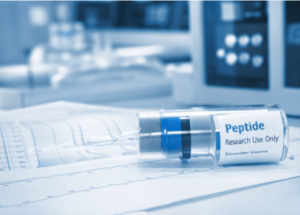
- Anti-Aging & Longevity Studies: Researchers frequently utilize peptides to investigate cellular senescence (aging of cells). They apply these compounds to cell cultures to observe potential effects on telomere maintenance, mitochondrial function and oxidative stress resistance.
- Recovery & Healing Models: In tissue engineering and regenerative medicine, scientists are exploring Recovery & Healing Research Peptides. These studies focus on measuring rates of angiogenesis (new blood vessel formation) and observing how specific amino acid chains might influence inflammation and tissue repair markers in controlled laboratory environments.
- Sexual Health & Performance Research: Another expanding area of study involves Sexual Health & Performance Peptides. Here, investigators use animal models to map out melanocortin receptor signaling and understand the hemodynamic (blood flow) pathways involved in arousal and metabolic function.
In all these scenarios—whether studying longevity pathways or tissue repair—the objective remains the same: to document the mechanism of action. This is why purity is the most critical factor. If the peptide is impure, the reaction observed in the petri dish might not be caused by the peptide itself, but by a contaminant, rendering the entire study useless.
Why Does Quality Matter When Evaluating Research Peptides?
The quality of research peptides directly impacts experimental accuracy, reproducibility and reliability, making purity and consistency critical factors in research outcomes.
Imagine a researcher spends months setting up an experiment. They control the temperature, the lighting and the cell cultures perfectly. They add the peptide, record the results and find something unexpected.
If the peptide was low quality, those results are effectively useless.
The risks of low-quality peptides include:
- Unreliable Results: Impurities can trigger false positives or toxic reactions in cells that mislead the researcher.
- Inconsistency: If Batch A is 99% pure and Batch B is only 90% pure, the researcher cannot replicate their own findings.
- Degradation: Poorly manufactured peptides may fall apart before they are even used, meaning the concentration is lower than the label claims.
In the scientific community, the Same Peptide, Different Results problem is a major headache. It occurs when two labs buy the same compound from different vendors and get different outcomes. Almost always, the culprit is a difference in quality and purity.
How Do People Evaluate the Quality of Research Peptides?
Research peptide quality is commonly evaluated through third-party laboratory testing, verified certificates of analysis (COAs), proper storage protocols, and transparent supplier practices.
This is the most important section for any informed buyer. How do you distinguish between a high-grade chemical supplier and a questionable source? It comes down to data, testing and logistics.
Purity Levels: What Do Percentages Really Mean?
You will often see peptides advertised as 98% Pure or 99% Pure. But what does that mean?
It refers to the percentage of the solid mass that is the actual target peptide. The remaining 1% or 2% usually consists of water, salts, or minor synthesis byproducts (truncated sequences).
In a research context, 98% is generally the gold standard. A peptide that is only 90% pure contains 10% unknowns, which is unacceptable for serious science. However, be careful: a label is just a sticker. A label can say 99%, but without proof, it is just a marketing claim.
COA (Certificate of Analysis): What to Look For
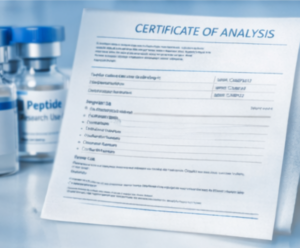
The Certificate of Analysis (COA) is the passport of the product. Informed buyers never purchase without seeing it. A legitimate COA must contain:
- Peptide Name & Sequence: Identifying the chemical structure.
- Batch/Lot Number: This must match the number on the vial. A generic COA that doesn’t match the batch is useless.
- Purity Percentage: The final result of the test.
- Date of Testing: Peptides degrade over time; a test from three years ago is not valid today.
- Lab Information: Who performed the test? Was it the seller (biased) or a third party (neutral)?
Lab Testing Methods Explained (Simply)
How is purity actually measured? There are two main acronyms you need to know:
- HPLC (High-Performance Liquid Chromatography): Imagine pouring a mixture through a very advanced filter. HPLC separates the different components of the powder. It produces a graph with peaks. One giant peak means purity. Many small, messy peaks mean the sample is dirty.
- MS (Mass Spectrometry): This weighs the molecule. If the peptide is supposed to weigh exactly 1000 Daltons, but the machine measures 1200, you know it is the wrong chemical or it has been modified.
Third-Party Testing is vital here. This means an independent lab—with no financial stake in selling the product—has verified the quality.
Storage Conditions and Stability
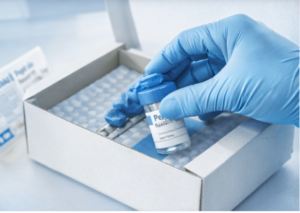
Peptides are fragile biological chains. They are sensitive to three things: Heat, Light and Moisture.
Most research peptides come in a lyophilized state. This means they have been freeze-dried into a crystalline powder. This makes them stable for transport. However, once a researcher receives them, they must be stored in a freezer (usually -20°C).
If a vendor stores their inventory in a hot warehouse or exposes the vials to direct sunlight, the peptide bonds can break. The product might arrive looking normal, but chemically, it is dead.
Shipping Conditions: Why Delivery Matters
The journey from the vendor to the lab is the danger zone for peptides.
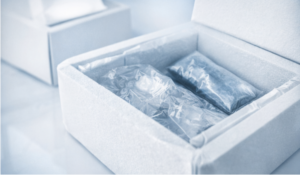
- Speed: The less time a peptide spends in transit, the better.
- Packaging: Quality vendors use robust packaging to protect against physical damage and temperature spikes.
- Domestic Shipping: For US-based researchers, ordering from a US domestic supplier is a significant advantage over ordering from overseas. International shipping can take weeks, exposing the product to fluctuating temperatures in cargo holds and customs warehouses. Domestic shipping ensures the product arrives fresh and intact.
What Are the Most Common Red Flags When Evaluating Peptide Quality?
Common red flags include missing or unverifiable lab reports, vague product descriptions, inconsistent documentation, and unclear storage or shipping standards.
If you are evaluating a new source for research materials, knowing what to avoid is just as important as knowing what to buy. Watch out for these warning signs:
- No COA Available: If a vendor refuses to show lab reports or says trust us, that is an immediate red flag.
- Prices Too Low: Peptide synthesis is a complex, expensive chemical process. If a price seems impossibly low compared to the market average, the product is likely under-dosed or filled with cheap fillers.
- Generic Images: Does the website use stock photos, or do they show the actual product with the current batch labels?
- Miracle Claims: A research chemical supplier should speak the language of science, not marketing hype. Avoid sources that make prohibited medical claims or promise health benefits.
Why Transparency and Trust Matter in the Research Peptide Market?
Transparency in sourcing, testing, and documentation helps establish trust in the research peptide market and allows buyers to make informed, risk-aware decisions.
In an industry where the product is a white powder in a glass vial, trust is everything. Transparency is the only way to build that trust.
A reputable supplier operates with an open book policy. This means they display their test results publicly. They are clear about where their products are shipped from. If a batch doesn’t meet the purity standards, a transparent company discards it rather than selling it.
Furthermore, communication matters. Can you reach their support team? Do they understand the technical aspects of what they are selling? Transparency turns a one-time transaction into a reliable supply chain.
How Do Informed Buyers Approach Research Peptides?
Informed buyers prioritize verified lab data, clear documentation and supplier credibility over unsubstantiated claims or promotional language.
Many informed buyers prefer to explore peptides by research focus, grouping compounds based on their intended area of scientific study. They don’t just click buy on the first option they see. Their process looks like this:
- They Verify: They look for the Batch ID on the website and compare it to the COA.
- They Ask About Testing: They confirm that the testing was recent and performed by a credible lab.
- They Value Stability: They prefer vendors who ship quickly (domestic) to ensure the integrity of the lyophilized powder.
- They seek Consistency: Once they find a vendor whose products yield consistent, reproducible data in their experiments, they stick with them.
Key Takeaways: Choosing Research Peptide Quality Over Marketing Claims
Assessing research peptide quality requires a focus on laboratory verification, transparent reporting, proper handling, and long-term reliability rather than surface-level claims.
The world of research peptides is fascinating and holds immense potential for scientific discovery. However, that potential relies entirely on the integrity of the materials used.
Information is your best defense against poor quality. By understanding how to read a COA, recognizing the importance of HPLC testing and knowing the dangers of improper storage, you put yourself in a position of power.
In research, there is no room for guessing. Always choose transparency, verified purity and professional handling over marketing claims. When the inputs are pure, the data is true.
Frequently Asked Questions About Research Peptides
What exactly are research peptides used for?
Research peptides are chemical compounds used exclusively for laboratory experimentation. Scientists use them in in-vitro (test tube) studies and laboratory models to understand cellular signaling, protein interactions, and biological mechanisms. They are strictly not for human consumption or medical use.
Why is 98% purity considered the standard for research peptides?
In a laboratory setting, accuracy is everything. A peptide with 98% or higher purity ensures that the experimental data is not corrupted by unknown byproducts or contaminants. Lower purity levels can lead to inconsistent results and failed experiments.
How should lyophilized (freeze-dried) peptides be stored?
To maintain stability, lyophilized peptides should be stored in a freezer at -20°C (or colder), away from direct light and moisture. Once reconstituted with a solvent, they become much more fragile and should be used quickly while being kept refrigerated.
How can I verify if a peptide is high quality?
The most reliable method is to check the Certificate of Analysis (COA). A valid COA should display the batch number, the date of testing, and the purity percentage confirmed by HPLC (High-Performance Liquid Chromatography) and MS (Mass Spectrometry) analysis.
Do research peptides degrade during shipping?
Peptides are sensitive to heat and light, but lyophilized powder is relatively stable for short periods at room temperature. However, reputable suppliers ensure fast, secure shipping (often domestic) and proper packaging to minimize exposure to extreme conditions during transit.