The world of therapeutic peptides has exploded in popularity, offering targeted solutions for everything from rapid fat loss to accelerated injury repair.Among the most searched names are Semaglutide and TB-500 — two compounds that are often mentioned together, yet operate through entirely different biological pathways.
While both are powerful research peptides, they operate in completely different lanes. Comparing semaglutide vs tb 500 is a bit like comparing a treadmill to a cast; one is an engine for metabolic change, while the other is a tool for structural repair. Yet, for many individuals focused on total body optimization, the question remains: which one do you need, or do you need both?
In this guide, we will break down the semaglutide vs tb500 debate, exploring their mechanisms, benefits, and how to decide which peptide aligns with your research or wellness goals.
What Is Semaglutide?
Semaglutide peptide has arguably become the most famous peptide in the world, largely due to its profound impact on obesity management and metabolic health. Originally developed to treat type 2 diabetes, it has revolutionized how we approach weight management.
The Mechanism: A GLP-1 Agonist
Semaglutide functions as a GLP-1 agonist. GLP-1 (Glucagon-like peptide-1) is a hormone naturally produced in the gut. When you eat, GLP-1 signals your brain that you are full. Semaglutide mimics this hormone but has a much longer half-life, meaning it stays active in the body for days rather than minutes.[3]
Key Benefits
- Appetite Suppression: It significantly reduces hunger signals in the brain.
- Blood Sugar Regulation: It stimulates insulin secretion and lowers glucagon secretion.
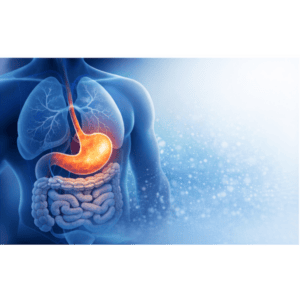
- Gastric Emptying: It slows down how fast food leaves your stomach, keeping you fuller for longer.
When discussing semaglutide for weight loss, we are talking about a powerful metabolic intervention that addresses the biological roots of hunger.

What Is TB-500?
On the other side of the spectrum is TB-500, a synthetic version of the naturally occurring peptide Thymosin Beta-4. While Semaglutide works on your metabolism, TB-500 works on your cellular structure. It is a favorite among athletes and biohackers for its regenerative capabilities.
The Healer Peptide
The tb500 peptide is primarily sought after for its ability to promote healing. Thymosin Beta-4 is present in almost all human and animal cells, but it is most concentrated in tissue that has been damaged.
Key Benefits
- Rapid Recovery: TB 500 benefits include accelerating the healing of muscles, tendons, ligaments and skin.
- Inflammation Reduction: It helps decrease systemic inflammation, which is crucial for pain management.
- Flexibility: It has been shown to prevent the formation of fibrous adhesions (scar tissue), keeping tissues flexible.
- Angiogenesis: It promotes the formation of new blood vessels, improving circulation to injured areas to accelerate tissue repair.[2]
If you are looking at tb500 for recovery, you are looking for a compound that acts like a construction crew, rushing to repair site damage in the body.
Semaglutide vs TB-500: What’s the Main Difference?
Understanding the difference between semaglutide and tb500 is crucial because they serve fundamentally different purposes. While both can be part of a healthy lifestyle regimen, they do not overlap in function. Semaglutide is a metabolic regulator; TB-500 is a regenerative agent.
Here is a quick breakdown to help you visualize the semaglutide vs tb500 difference:
| Feature | Semaglutide | TB-500 (Thymosin Beta-4) |
| Primary Class | GLP-1 Receptor Agonist | Regenerative Peptide |
| Main Goal | Weight Loss & Blood Sugar Control | Injury Repair & Recovery |
| Target Area | Brain (Appetite center) & Pancreas | Muscles, Tendons, Ligaments, Skin |
| Mechanism | Mimics satiety hormones, slows digestion | Upregulates Actin (cell building), reduces inflammation |
| Dosing Frequency | Typically once weekly | Typically multiple times weekly |
| Best For | Obesity, metabolic syndrome, cravings | Tears, strains, tendonitis, post-surgery |
In short, if you are asking “which is better, tb500 or semaglutide?”, the answer depends entirely on your problem. If the problem is excess body fat, Semaglutide is the tool. If the problem is a torn rotator cuff or slow recovery from the gym, TB-500 is the answer.
Semaglutide vs TB-500 for Weight Loss and Recovery

This is the most common area of confusion. Many people assume that because TB-500 helps you recover and return to the gym, it must also be a fat burner. Let’s set the record straight regarding semaglutide vs tb500 for weight loss.
The Weight Loss Verdict
Semaglutide is the clear winner here. It is specifically designed to alter your body’s energy balance. By reducing caloric intake through appetite suppression, it forces the body to burn stored fat effectively.[1]
Important Note: TB-500 is NOT a weight loss peptide.
While tb500 weight loss is a frequently searched term, the peptide itself does not burn fat or suppress appetite. It may indirectly help with weight maintenance by allowing you to train harder and recover faster, but it has no direct metabolic burning effect.
The Recovery Verdict
For semaglutide recovery contexts, the peptide offers little direct benefit to tissue repair. In fact, because Semaglutide puts you in a caloric deficit, your body’s recovery speed might actually slow down slightly.
TB-500 is superior for recovery. It creates an internal environment where cells can migrate to injuries faster. If you are suffering from gym joints, tendonitis or muscle tears, TB-500 provides the support structure needed to heal. It helps decrease systemic inflammation, which is crucial for pain management and preventing scar tissue formation in the cornea and other tissues.[4]
💡 Quick Tip: Are you stalled in your progress?
- If you can’t lose weight despite working out: Look into Semaglutide.
- If you can’t work out because you are injured: Look into TB-500.
Can You Stack Semaglutide and TB-500?
This leads to the golden question: Can you use them together? The short answer is yes.
A semaglutide and tb500 stack is becoming increasingly popular in the fitness and wellness community. Because they operate on completely different biological pathways (one hormonal, one cellular), they generally do not interfere with each other.
Why Stack Them?
TB500 and semaglutide together can offer a comprehensive body transformation approach:
- Semaglutide handles the fat loss and diet adherence.
- TB-500 keeps your body repaired and inflammation-free, allowing you to maintain an exercise regimen even while in a caloric deficit.
In a peptide stacking guide, this combination is often viewed as the “Transformation Stack”—simultaneously stripping fat while preserving the structural integrity of the body. However, always consult with a healthcare provider before mixing peptides to ensure it is safe for your specific health history.
Mechanism Comparison: GLP-1 vs Thymosin Beta-4
To truly understand the GLP-1 vs TB500 debate, we must look at the science of how they interact with the body. This peptide mechanism comparison highlights why they are so distinct.

Semaglutide: The Metabolic Signal
Semaglutide works on the incretin system. It binds to GLP-1 receptors in the pancreas to boost insulin (which manages sugar) and in the hypothalamus of the brain (which manages hunger). It is essentially hacking the body’s communication network to tell you that you have eaten enough food, even if you haven’t.
TB-500: The Cellular Architect
The semaglutide mechanism vs tb500 mechanism is starkly different. TB-500 works by sequestering actin. Actin is a protein that forms the building blocks of cells. By regulating actin, TB-500 allows cells to move and migrate faster to a wound site. It is not sending a signal to the brain; it is providing the raw materials and mobility for cells to rebuild tissue physically.
Which One Should You Choose?
Deciding semaglutide or tb500 ultimately comes down to your primary goal. Use this decision tree to help navigate your choice.
Decision Tree
- Goal A: I want to lose 15+ lbs and struggle with food cravings.
- Choice: Semaglutide.
- Goal B: I have a nagging shoulder injury or want to recover faster from heavy lifting.
- Choice: TB-500.
- Goal C: I want to lose weight, but pain prevents me from exercising.
- Choice: Consider a Stack (Semaglutide for weight, TB-500 for pain/recovery).
When asking which is better semaglutide or tb500, remember: Semaglutide changes how you look; TB-500 changes how you feel and move.
Ready to Start Your Journey?
Select the path that matches your current needs:
Quality Factors to Consider When Buying Peptides
Once you have decided on the right compound, the most critical step is sourcing. The market is flooded with low-quality options, making safety and efficacy a real concern. When you are looking to buy semaglutide online or buy tb500 online, you must prioritize quality control.
1. Purity Levels
Peptide purity levels are non-negotiable. You should look for peptides that are at least 99% pure. Impurities can result in allergic reactions or ineffective research results. At Peptidesline, we adhere to strict manufacturing protocols to ensure every vial meets this high threshold.
2. Third-Party Testing (HPLC)
Never trust a label blindly. Reputable suppliers provide High-Performance Liquid Chromatography (HPLC) reports. These documents verify that the content of the vial matches the label. Peptide quality standards dictate that transparency is key.
3. Proper Storage and Handling
Peptides are fragile chains of amino acids. If they are stored in high heat or exposed to too much light during transit or warehousing, they can degrade. Choosing a professional supplier like Peptidesline ensures that your peptides have been handled correctly from the laboratory to your doorstep, preserving their potency.
Final Thoughts
Whether you are choosing Semaglutide to reclaim your metabolic health or TB-500 to heal an injury, the quality of the product determines the quality of your results. Always choose research-grade peptides from trusted sources to ensure your safety and success.
Scientific References & Clinical Studies
The information provided in this guide is based on clinical research and peer-reviewed studies:
- Semaglutide for Weight Management: Wilding, J. P. H., et al. (2021). “Once-Weekly Semaglutide in Adults with Overweight or Obesity.” The New England Journal of Medicine. This pivotal “STEP 1” trial demonstrated a significant reduction in body weight with 2.4mg Semaglutide compared to placebo. [View Study]
- Mechanism of Thymosin Beta-4 (TB-500): Philp, D., et al. (2004). “Thymosin beta4 promotes angiogenesis, wound healing, and hair follicle development.” Mechanisms of Ageing and Development. Research highlighting how TB-4 increases cell migration and blood vessel formation to accelerate repair. [View Study]
- GLP-1 Agonists & Appetite Control: Müller, T. D., et al. (2019). “Glucagon-like peptide 1 (GLP-1).” Molecular Metabolism. A comprehensive review of how GLP-1 receptor agonists like Semaglutide regulate appetite and glucose metabolism. [View Study]
- Anti-Inflammatory Properties of TB-500: Sosne, G., et al. (2010). “Thymosin beta 4: a novel corneal wound healing and anti-inflammatory agent.” Clinical Ophthalmology. Evidence supporting the use of Thymosin Beta-4 in reducing inflammation and preventing scar tissue formation. [View Study]
*These links are provided for educational purposes to verify the mechanisms of action described in the article.
Disclaimer: The information provided in this article is for educational and informational purposes only and does not constitute medical advice. These products are intended for research purposes only.
FAQ For TB-500 & Semaglutide
The primary difference lies in their function. Semaglutide is a GLP-1 receptor agonist used for weight loss and blood sugar control. TB-500 (Thymosin Beta-4) is a regenerative peptide used for tissue repair, injury recovery and inflammation reduction.
No, TB-500 is not a weight loss peptide. It does not suppress appetite or directly burn fat. Its main benefits are cellular repair and recovery. For weight loss, Semaglutide is the effective choice as it regulates appetite and metabolism.
Yes, Semaglutide and TB-500 can be safely stacked. Since Semaglutide targets hormonal metabolic pathways and TB-500 targets cellular structural pathways, they do not interfere with each other. This stack is popular for losing fat while maintaining injury recovery.
TB-500 is the superior choice for injury recovery. It promotes angiogenesis (new blood vessel formation) and actin sequestration, which accelerates the healing of muscles, tendons, and ligaments. Semaglutide does not offer direct tissue repair benefits.
Yes, TB-500 is widely used to reduce systemic inflammation and help with joint pain. It aids in preventing the formation of fibrous adhesions (scar tissue), which helps maintain flexibility and reduce pain in injured joints like shoulders or knees.
Semaglutide works by mimicking the GLP-1 hormone to signal satiety to the brain and slow gastric emptying. TB-500 works by upregulating actin, a cell-building protein, to physically repair damaged tissue and improve cell migration to injury sites.