Recovery & Healing Peptides
Research-grade peptides studied in tissue repair, cellular recovery and regenerative pathways — for laboratory use only.

Accelerated Recovery
Supports tissue repair mechanisms and post-stress recovery pathways.

Cellular Regeneration
Targets cellular signaling involved in healing and regeneration research.

Research-Grade Purity
Third-party tested, high-purity compounds for controlled research environments.
Who are These Peptides For?
- Researchers studying tissue repair and regeneration
- Labs focused on injury recovery & healing mechanisms
- Advanced recovery & longevity research models
Recovery & Healing Compound Categories
Tissue Repair & Healing Focus
Compounds studied for their role in wound healing, tissue regeneration and cellular repair.

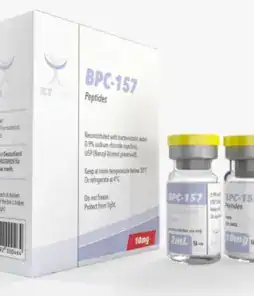
BPC-157
Supports tissue repair, gut integrity and recovery signaling pathways.
Inflammation & Recovery Support
Research peptides associated with inflammation modulation and recovery pathways.

TB500
Studied for its role in cellular migration and post-injury recovery mechanisms.
Growth & Regeneration Pathways
Compounds linked to growth factor signaling and regenerative processes.

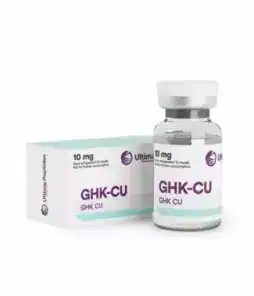
GHK-Cu
A copper peptide researched for its involvement in skin regeneration, cellular repair processes.
Recovery & Healing Peptide Comparison
Compare key recovery-focused research compounds based on their primary research focus.
| Compound | Primary Focus | Areas of application: |
|---|---|---|
| BPC-157 | Tissue Repair | Injury recovery & gut healing studies |
| TB-500 | Regeneration | Muscle, tendon & soft tissue research |
| GHK-Cu | Cellular Repair | Skin & wound healing research |
| IGF-1 LR3 | Growth Pathways | Muscle repair & growth signaling |
-

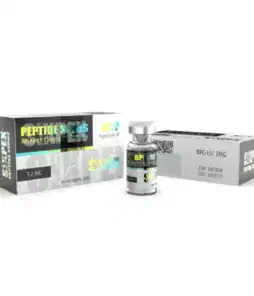
BPC 157
5 mg $54,00 Add to cart -
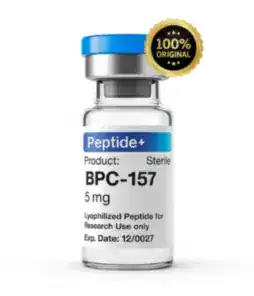
BPC-157
5mg $65,00 Add to cart -
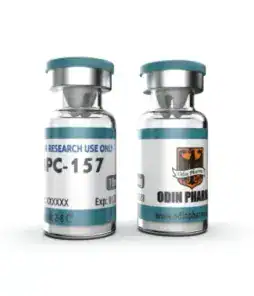
BPC-157
10 Mg $120,00 Add to cart -
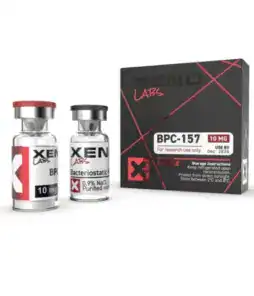
BPC-157
10 Mg $88,00 Add to cart -
BPC-157
5mg $22,00 Add to cart -
BPC-157
10 Mg $80,00 Add to cart -
BPC-157
5mg $89,00 Add to cart -
BPC-157
5mg $55,00 Add to cart -
BPC-157
10 Mg $42,00 Add to cart -
BPC-157, TB-500 & GHK-Cu
BPC 10 / TB 10 / GHK 50 (mg) $155,00 Add to cart -
BPC-157, TB-500 & GHK-Cu
BPC 5 / TB 5 / GHK 50 (mg) $135,00 Add to cart -
BPC-157, TB-500, GHK-Cu & KPV
BPC 10 / TB 10 / GHK 50 / KPV 10 (mg) $156,00 Add to cart -
BPC-157, TB-500, GHK-Cu & KPV
BPC 5 / TB 5 / GHK 10 / KPV 5 (mg) $112,00 Add to cart -
BPC157 & TB500
TB 10 / BPC 10 ( mg ) $129,00 Add to cart -
BPC157 & TB500
TB 5 / BPC 5 ( mg ) $79,00 Add to cart -
Epithalon
5mg $70,00 Add to cart -
Epithalon
5mg $70,00 Add to cart -
GHK-CU
50mg $100,00 Add to cart -
GHK-Cu
50mg $40,00 Add to cart -
GHK-CU
10 Mg $79,00 Add to cart



Frequently Asked Questions About Recovery & Healing Peptides
Below are common questions related to recovery and healing research compounds.
How do recovery and healing peptides work?
Recovery peptides are studied for their interaction with cellular signaling pathways involved in tissue repair, inflammation response, and regeneration processes.
Are these compounds suitable for injury recovery research?
Yes. Many recovery peptides are widely researched in models focused on injury recovery, wound healing, and tissue regeneration mechanisms.
Are recovery peptides hormonal?
Some compounds may interact with growth-related pathways, while others act independently of hormonal systems. Each compound differs based on its mechanism of action.
Are these compounds suitable for women-focused?
Yes. Recovery and healing peptides are commonly studied across both male and female biological research models.